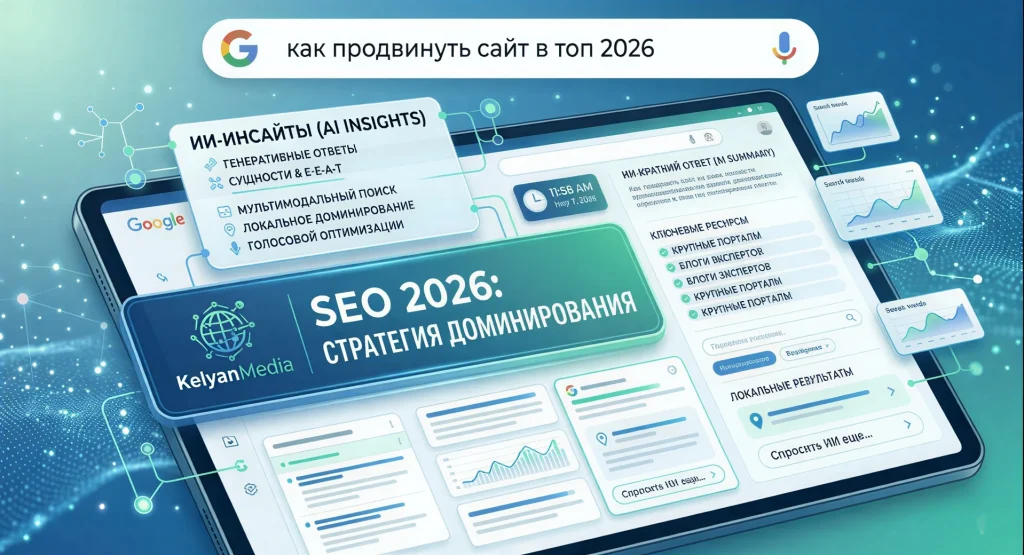


The world of digital marketing in 2026 is no longer the battlefield we've become accustomed to over the past decade. While SEO specialists could previously boost rankings through link building or keyword density, today we're dealing with a search engine that possesses the rudiments of intelligence and understands context better than the average copywriter.
For you, as a business owner, this means one thing: the old "cheap and cheerful" strategies are no longer just working—they're dangerous. In this fundamental article, the team KelyanMedia will dissect Google's new reality so you understand what you're paying specialists for and how your website can become a market leader in Uzbekistan and beyond.
Part 1. Paradigm Shift: From Blue Links to SGE (Search Generative Experience)
The first thing a modern businessman needs to understand is that Google is no longer just a link library. In 2026, it became a personal assistant.
1.1. What is SGE and why is it a "killer" for classic traffic?
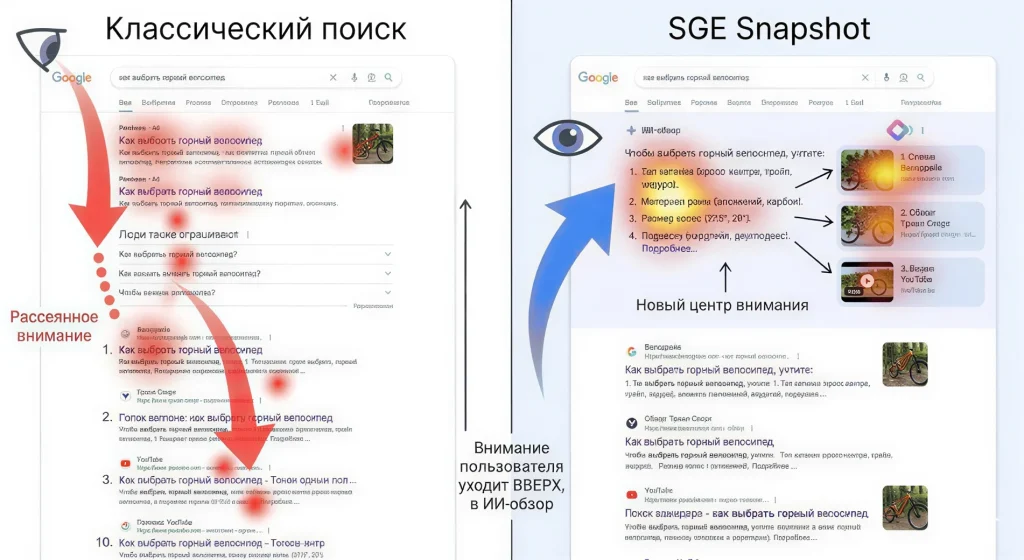
Google SGE is a technology that uses generative AI to generate answers directly on the search page. When a user enters a query, for example:
«"What type of foundation should I choose for a house on clay soil in the Tashkent region?"», AI doesn't just suggest a list of websites. It analyzes the top 10 sources and provides ready-made, well-reasoned advice.
Problem: Users no longer need to go to your website to get an answer. This is called "Zero-Click Search.".
Solution from KelyanMedia: To survive, your site must be included in the "sources" block from which AI draws data. This requires a fundamentally different approach to content—we no longer write "texts," we create a "knowledge base" that Google trusts enough to cite.
1.2. How to optimize a website for AI answers?
To be included in SGE recommendations, your content must be structured like a conversation. Using FAQ markup, Schema.org microdata, and clear, concise definitions of terms is no longer a "bonus" but a requirement. We're teaching search engines to recognize you as an expert in your niche.
Part 2. The Foundation of Trust: EEAT Criteria and the Humanity Factor«
In 2026, Google is waging an active war against "junk" AI content. Millions of websites are filled with texts written by neural networks for 5 cents. Google's response is harsh: priority is now given to authors with real experience.
2.1. Experience — The Key Value of SEO
Google wants to see that an article about dentistry was written by a doctor, not a generalist copywriter.
- For your business: Each service page should be supported by a real employee profile.
- Digital signature: We embed author information, links to their professional achievements, certifications, and media publications on our clients' websites. Google compares this data with its Knowledge Graph and understands that the brand is trustworthy.
2.2. Expertise & Authoritativeness
How does Google know your company is a leader? It looks at mentions. But in 2026, context matters, not just links. If you're talked about on industry forums, if your engineers answer questions in communities, if your brand name is searched for, your authority grows. This is a long-term strategy that we at KelyanMedia call "Digital PR.".
Part 3. Technical Superiority: Beyond Download Speed
Many people think that technical SEO is just about "making a website load quickly." That's the tip of the iceberg. In 2026, a website's technical capabilities will be its ability to reliably feed data to Google's neural networks.
3.1. The INP metric is a new standard of responsiveness
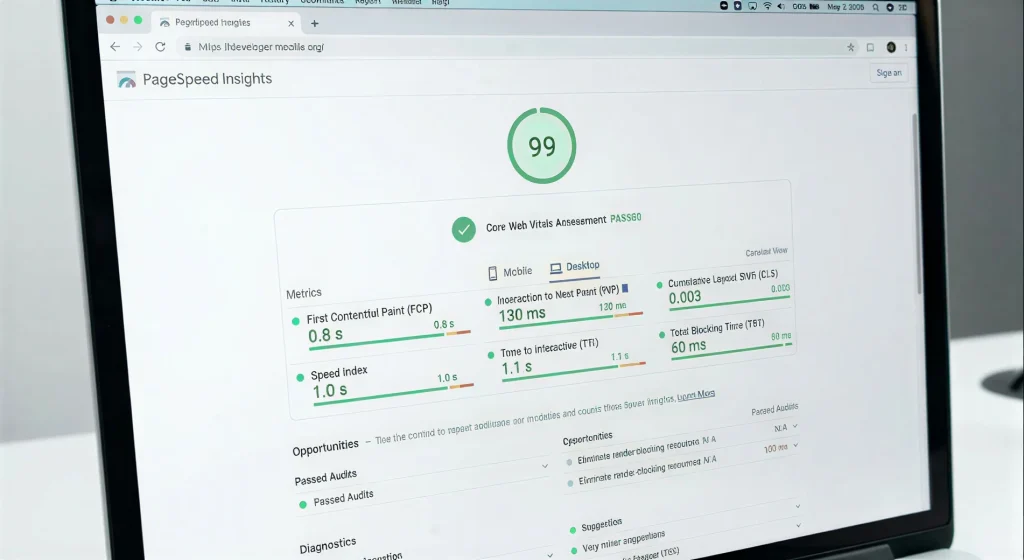
The old FID has been replaced by an indicator INP (Interaction to Next Paint). It measures how quickly a website responds to any user action: clicking a button, opening a menu, or entering data into an order form.
- Why is this important for sales? If the "Buy" button on a customer's smartphone responds with a 300ms delay, the brain registers discomfort. Google detects this through browser data and demotes your search results. We optimize the code so that interaction is instantaneous—within 100-150ms.
3.2. Mobile-Only and clean code
Google has finally switched to mobile-only indexing. If the desktop version of your site is perfect, but the mobile version is a bit off, you won't make it to the top. In 2026, we'll design websites based on the limitations of mobile networks and small screens. Minimize heavy scripts, maximize usable space.
Part 4. Content as a Business Asset: The Information Gain Principle
The main secret of an SEO specialist with 15 years of experience: Google no longer ranks sites that say the same thing as everyone else. The concept Information Gain.
4.1. Why is rewriting a dead end?
If you take a competitor's article and rewrite it in your own words, Google sees that you haven't created any new value for the internet. Such pages are indexed, but never appear higher than page two.
How we do it: We interview your technicians, managers, and specialists. We gather real-world case studies, data, and photos from your business. This unique experience is what Google values most.
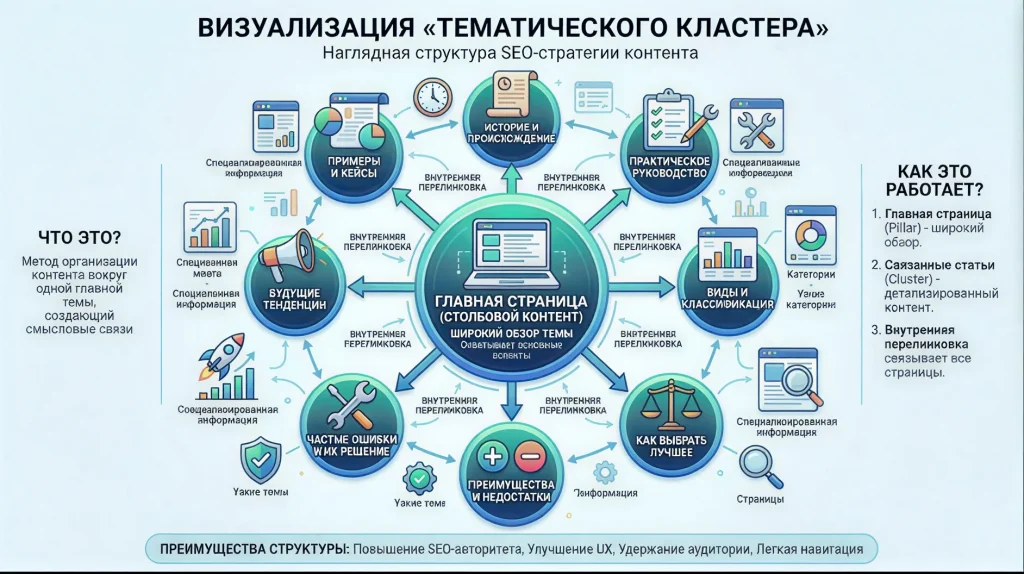
4.2 Semantic Clustering: Capturing the Entire Niche
We no longer promote "keywords." We promote "topics.".Example: If you're selling solar panels, we don't just write "buy panels." We create a cluster of 50 articles, from "the chemistry of silicon wafers" to "the effect of dust in Samarkand on battery efficiency." When Google sees you're closing All user questions in this topic, it gives you the status of "Topical Authority" and you begin to dominate all queries at once.
Part 5. Link Profile 2026: Reputation, Not Purchasing
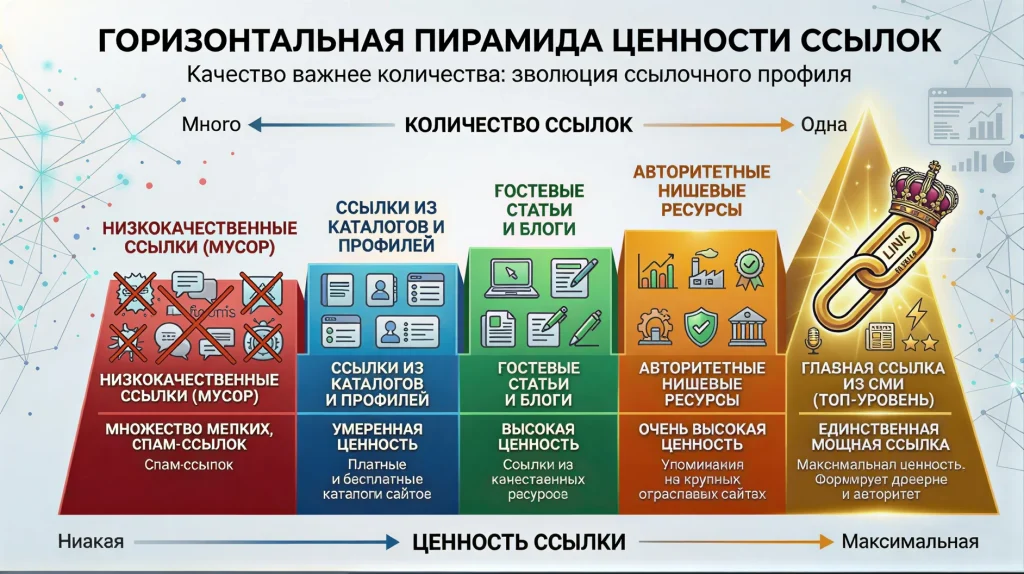
Links are still the "fuel" of SEO, but now that fuel needs to be high-octane. The era of link exchanges, where you could buy 1,000 links for $100, is dead.
5.1. Quality is 1000 times more important than quantity
A single link from a reputable industry portal or major media outlet (like Gazeta.uz or Forbes) carries more weight than thousands of links from "junk" sites. Google has learned to recognize paid links by their placement patterns. KelyanMedia Strategy: We engage in outreach—direct negotiations with resource owners. We create newsworthy stories that people want to share. This is a natural process that can't be manipulated.
5.2. Anchor list and natural diversity
In 2026, Google will immediately impose a penalty for "over-optimized" anchor text (when links only contain the text "buy furniture"). Your link profile should look like a natural recommendation: links by brand name, website address, or simply phrases like "look here.".
Part 6. Local SEO: How to Become Number One in Your Area
For small businesses in Uzbekistan, local search is 80% for all calls. If you're not on the map, you're not in business.
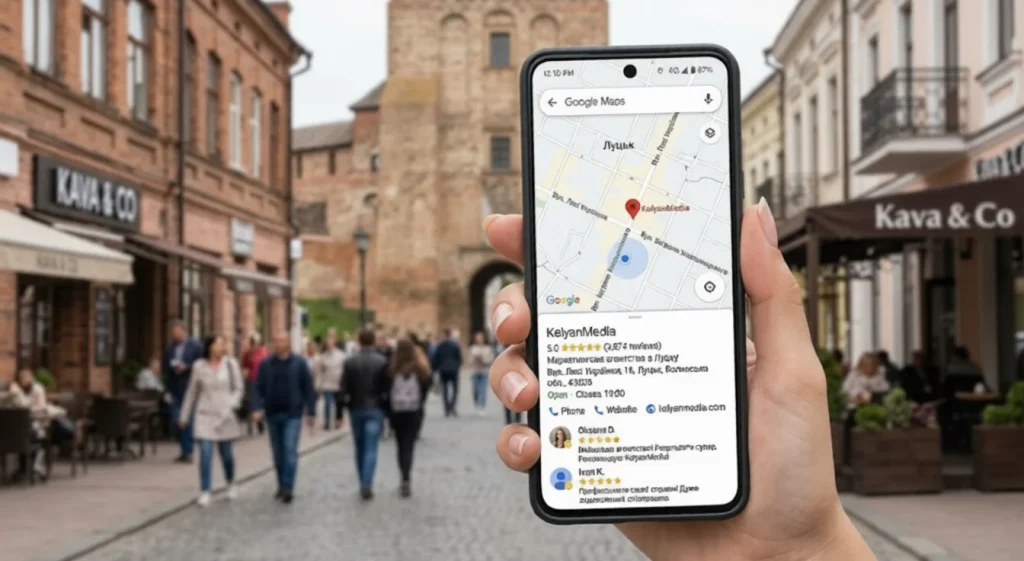
6.1. Google Maps and Google Business Profile (GBP)
Your Google Map is more than just an address. By 2026, it will be a fully-fledged marketplace.
- Reviews and tone: Google has learned to recognize sarcasm and hidden dissatisfaction in reviews. We're working to ensure your customers leave not just 5 stars, but detailed descriptions with keywords.
- 360 photos and videos: Regularly updating visual content is a signal to Google that the business is alive and active.
6.2. Local Entities
To ensure Google understands you're the best in Tashkent, your website should mention local landmarks, nearby streets, and local events. This creates a connection between your brand and a specific geographic location in the search engine's mind.
Part 7. Visual and Voice SEO: Future Trends That Are Already Here
In 2026, people will increasingly search by voice, through assistants, or using a smartphone camera (Google Lens).
7.1. Optimization for conversational queries
People don't say, "Inexpensive pizza delivery in Tashkent." They ask, "Okay, Google, where's the best pizza delivery in half an hour?" Your content should include these long-tail keywords. We incorporate them into your texts so they feel natural and help capture voice traffic.
7.2 Visual Search and Alt Texts
If you run an online store, every photo should be optimized not only for size but also for meaning. Google Lens allows users to take a photo of a product on the street and find it in your store. If your photos aren't properly tagged, you're losing that customer to a competitor.
Part 8. ROI and Business Analytics: What Are You Paying For?
We are in KelyanMedia We understand: a business owner doesn't need "ranking growth" charts. They need sales.
8.1. Abandoning Vanity Metrics
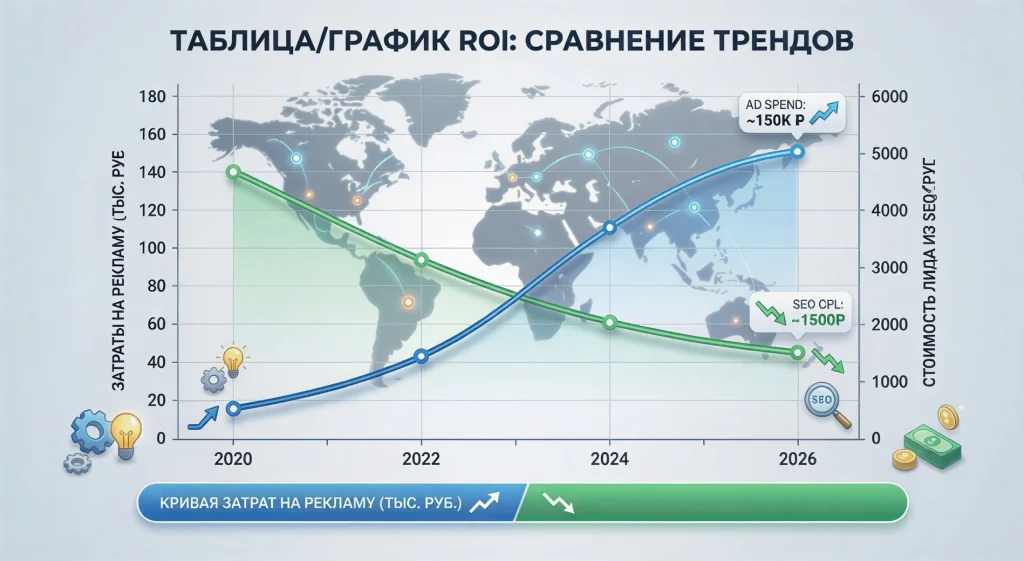
Being in the top 1 for a query that no one is searching for is pointless. We focus on targeted traffic.Attribution: We track the customer's entire journey. They could find you through a blog post, leave, return a week later through an ad, and only then make a purchase. In 2026, it's important to understand the role of SEO at every stage of the funnel.
8.2. Conversion layer (CRO)
SEO in 2026 is inextricably linked to usability. If we attract 10,000 people to a website, but the order form doesn't work or the design is intimidating, that's a collective failure. That's why we analyze user behavior through heatmaps and session recordings, constantly improving the page structure.
Part 9. The Future of SEO: What to Expect in 2027-2028?
SEO is a marathon where the finish line is constantly moving. We're already seeing Google personalize search results even more.
- Personalization: Two people will see different results for the same search query depending on their purchasing history and preferences.
Ecosystem: Your website should be part of the overall brand ecosystem (YouTube, Telegram, Instagram). Google collects signals from everywhere.
Conclusion: Your Path to Dominance
Website promotion in 2026 isn't a technical exercise, but a comprehensive branding effort. Google strives to provide users with the best answer from the most reliable source.
KelyanMedia We help companies become such a source. We don't just "raise rankings"; we build a system that generates sales and loyal customers. The world of search has changed, and we invite you to change with us.Ready to take your place at the TOP? Contact us today and we'll develop a strategy that will take your business to the next level in the era of AI search.
Published by the KelyanMedia team of experts. We know things about Google that others are only just beginning to guess.